
Homeowners insurance can cover some natural-disaster damage, but not every type of storm or environmental event. The answer depends on the cause of the damage, the exclusions in the policy, the deductible, and whether separate coverage is needed for risks such as flooding or earthquakes.
For residents of Rogersville, TN, the most useful distinction is between covered weather damage and excluded water or earth movement. Wind, hail, lightning, and fire are commonly covered under a standard homeowners policy. Flooding and earthquake damage usually are not.
What natural disasters are usually covered?
Standard homeowners insurance commonly covers damage caused by several sudden and accidental events, including:
- Windstorms and tornadoes
- Hail
- Lightning
- Fire caused by lightning or another covered event
- Falling trees or branches
- Damage caused by falling objects
- Certain types of sudden weight from snow, ice, or sleet
- Smoke damage
- Damage to the home caused by a covered explosion
Coverage normally applies to the dwelling, attached structures, personal belongings, and sometimes additional living expenses if the home becomes uninhabitable.
For example, if strong wind removes shingles and rain enters through the newly damaged roof, the policy may cover the resulting damage, subject to the policy terms and deductible. If a tree falls onto the house during a storm, repairs to the covered structure may also be included.
The exact outcome depends on whether the damage was sudden, whether the property was reasonably maintained, and whether a specific exclusion applies.
Does homeowners insurance cover tornado damage?
Usually, yes. Tornado damage is generally handled as wind damage under a standard homeowners policy. The policy may cover repairs to the house, attached structures, personal property, and debris removal when a covered loss occurs.
Coverage can become more complicated if the property had unrepaired roof damage, neglected maintenance, or pre-existing structural problems. An insurer may distinguish between damage caused by the tornado and damage that existed before the storm.
Wind damage to outdoor property also varies. Fences, detached garages, sheds, landscaping, and personal belongings may have separate limits or conditions. A high-value item stored outdoors may not be treated the same way as the home itself.
Is flood damage covered by homeowners insurance?
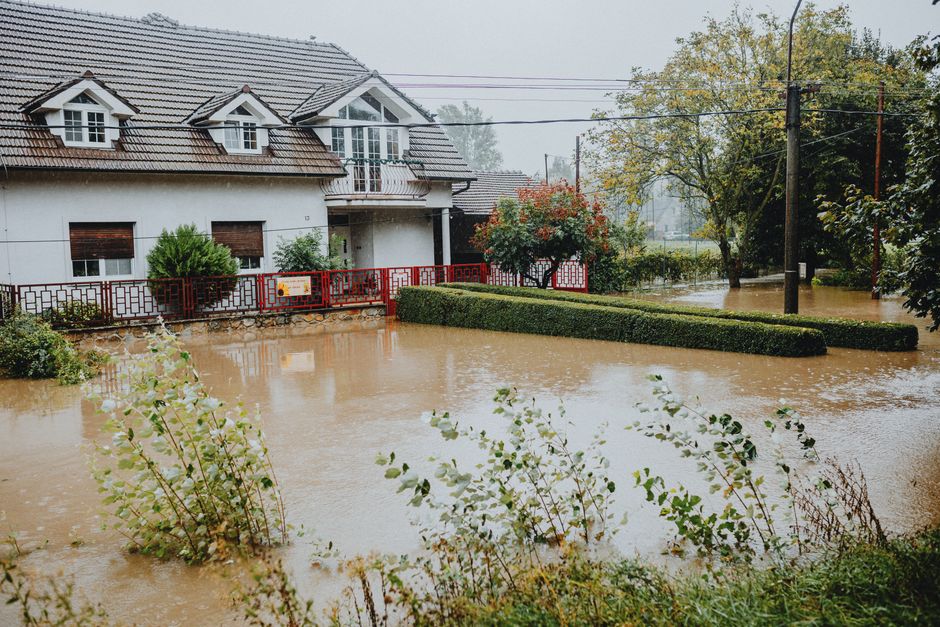
Usually, no. Flood damage is one of the most common gaps in a standard homeowners policy.
Flooding generally means water that rises from outside the home and affects normally dry land. It may result from heavy rain, overflowing waterways, rapid runoff, poor drainage, or saturated ground. Water entering through a basement wall, foundation, crawl space, or lower-level door may be considered flood-related even when the event begins with a severe storm.
This distinction matters in a community where intense rainfall can overwhelm drainage systems or cause water to move quickly through low-lying areas. A property does not have to be located in a federally designated high-risk flood area to experience flooding.
Flood insurance is usually purchased separately. Depending on the policy, it may cover the building, contents, or both. Waiting periods, exclusions, coverage limits, and basement restrictions can apply, so purchasing coverage after a storm is not a substitute for having it in place beforehand.
Federal disaster assistance should not be treated as a replacement for insurance. Assistance may not be available after every event, and when it is available, some forms may be loans that must be repaid.
Does homeowners insurance cover earthquake damage?
Most standard homeowners policies exclude earthquake damage and other forms of earth movement. Separate earthquake insurance or an endorsement may be available, depending on the policy and insurer.
Earthquake coverage can have its own deductible, often calculated as a percentage of the dwelling limit rather than a flat dollar amount. It may cover structural repairs, certain personal property, debris removal, and additional living expenses, but the details vary significantly.
Earthquake-related losses can also involve several different types of damage. For example:
- Shaking damage may fall under earthquake coverage.
- Fire caused by an earthquake may be handled under the homeowners policy.
- Flooding caused by an earthquake generally requires flood coverage.
- Damage to a vehicle may fall under comprehensive automobile coverage rather than homeowners insurance.
- Damage to land, retaining walls, or certain masonry features may be limited or excluded.
Reading the earth movement exclusions is especially important because “earthquake” may be only one part of a broader exclusion that includes landslide, settling, sinking, mudslide, or other ground movement.
What about water damage from a storm?
Not all water damage is considered flooding. The source and path of the water are important.
A homeowners policy may cover sudden water damage if a covered storm first damages the roof or wall and rain then enters through that opening. It may not cover interior water damage if the roof and walls remain intact and water enters because of surface flooding, poor drainage, or seepage.
Other water-related losses may require optional coverage. Sewer or drain backup, sump pump overflow, and water from a failed drainage system are commonly addressed through endorsements or separate coverage. They are not automatically included in every policy.
A useful question is: Did water enter from above through sudden storm damage, or did water rise or flow from outside the home? That answer does not replace a claims decision, but it helps identify which part of the policy needs to be reviewed.
Will insurance pay for temporary housing?
Many homeowners policies include additional living expense coverage when a covered disaster makes the home unsafe or unlivable. This may help with reasonable increases in lodging, meals, and other necessary expenses while repairs are underway.
The coverage is not unlimited. Policies may set dollar limits, time limits, or both. It generally applies only when the underlying property damage is covered. If the home is unlivable because of an excluded flood and there is no flood policy providing that benefit, standard homeowners coverage may not pay temporary housing costs.
Keep receipts and records of extra expenses after a covered loss. Normal mortgage payments and ordinary household costs typically remain the homeowner’s responsibility.
What should homeowners review before severe weather?
A policy review can reveal gaps before a disaster exposes them. Pay particular attention to:
- Dwelling coverage limits compared with current rebuilding costs
- Replacement-cost versus actual-cash-value coverage
- Separate deductibles for wind, hail, or other causes of loss
- Coverage limits for detached structures and personal property
- Sewer backup or sump pump coverage
- Flood and earthquake exclusions
- Additional living expense limits
- Tree removal provisions
- Special limits for jewelry, firearms, electronics, tools, or collectibles
A home inventory with photographs, descriptions, purchase records, and approximate values can make a claim more organized. Store the inventory somewhere that will remain accessible if the home is damaged.
After a disaster, photograph damage when it is safe, prevent further damage when reasonably possible, keep receipts, and avoid discarding damaged property before it has been documented unless it creates a health or safety hazard. Policy language controls the final decision, so the declarations page, exclusions, endorsements, and claim instructions should all be reviewed together.
